Authentic Antique Jewelry
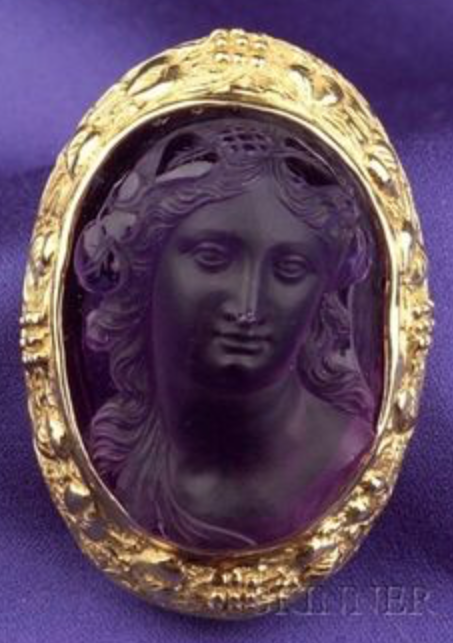
Authentic, Reproduction and Fake are three continuing themes in the History of Jewelry. The big question you have to ask yourself is - How can you invest money in jewelry if there are so many fakes in the marketplace? One simple answer is to get a jewelry appraisal online before you buy it.
Objects of suspicious provenance or actual "fakes" are occasionally and often unknowingly exhibited in museums and galleries, presented to the world as genuine and of undisputed origin. My point is if curators in museums have a hard time in knowing what's genuine from the fake, then what about the rest of us? The inclusion of the bogus into that which is accepted as the standard or primary reference is subversive. Can it be prevented?
Provenance Can Determine Authenticity
Provenance is the history of ownership of the property. It establishes the chain of ownership back to the time the piece was made and can be an important part of the identification process.
Not knowing the provenance of the jewelry means its source is unknown and its historical and cultural importance remains hidden. The question of its authenticity is the result.
Does the Jewelry in your jewelry storage box, safe or Jewelry Armoire have a genuine place in the location from which it appears to emerge? Or is it from another period or location? Or is it an imposter?!
Hallmarks provide a key to determination. That is if the hallmarks are genuine :-( British Hallmarks are usually reliable. Accurately dating Antique jewelry is a big concern as the final price will be influenced by the date mark. This is where Gold Hallmarks are important as they are a symbol of Authenticity to ascertain the date. Gold Hallmarks are the oldest and safest form of consumer protection.
|
Because the hallmarks may have worn down over time, in the case of gold antique jewelry, a loupe 10 x is an essential identification tool for the serious collector. Not sure how to even use a jewelers loupe? Find out Here!
Many times a piece of Antique Jewelry has been repaired, enhanced or components added to from different eras, to save the life of the jewelry.
However, does a "marriage" of this kind, no matter how well-meaning, reduce the jewelry status as being genuine? At what point does the enhanced jewel become a fake?
Although there may be scrupulous scholarship and attribution undertaken, the absence of a guarantee remains. And then there are the questions about guarantees, valuations, and appraisals in Antique Jewelry that need confronting.
Just because you have what appears to be a qualified Antique appraisal document, does that mean it's right? After-all, no Antique appraisal is definitive!
Since an Antique jewelry appraisal is made by comparing the jewelry at hand with a similar piece that has sold. If the appraiser does not know the Antique jewelry market well, what is the genuine worth of the Antique jewelry appraisal?
The best way to get past the Antique jewelry authenticity appraisal predicament is quite simple, get TWO appraisals carried out! The second appraisal is called an independent Antique jewelry appraisal. If the antique jewel is gem-set, have a gem report also carried out.
Does the inclusion of the bogus into that which is accepted as the standard or as conforming to a primary jewel become subversion? Or is it acceptable, if it is just a goldsmith at play?
Fortunately the more Antique Jewelry knowledge you gain on your Antique Jewelry Investor journey, the more likely your chances will be of buying authentic Antique Jewelry.
Have You Seen the Jewel-of-the-Month Yet?
Return to the top of Authentic Antique Jewelry
Return to Antique Jewelry Buying Basics
Return to Antique Jewelry Investor Home Page
