Caring for Pearls Tips
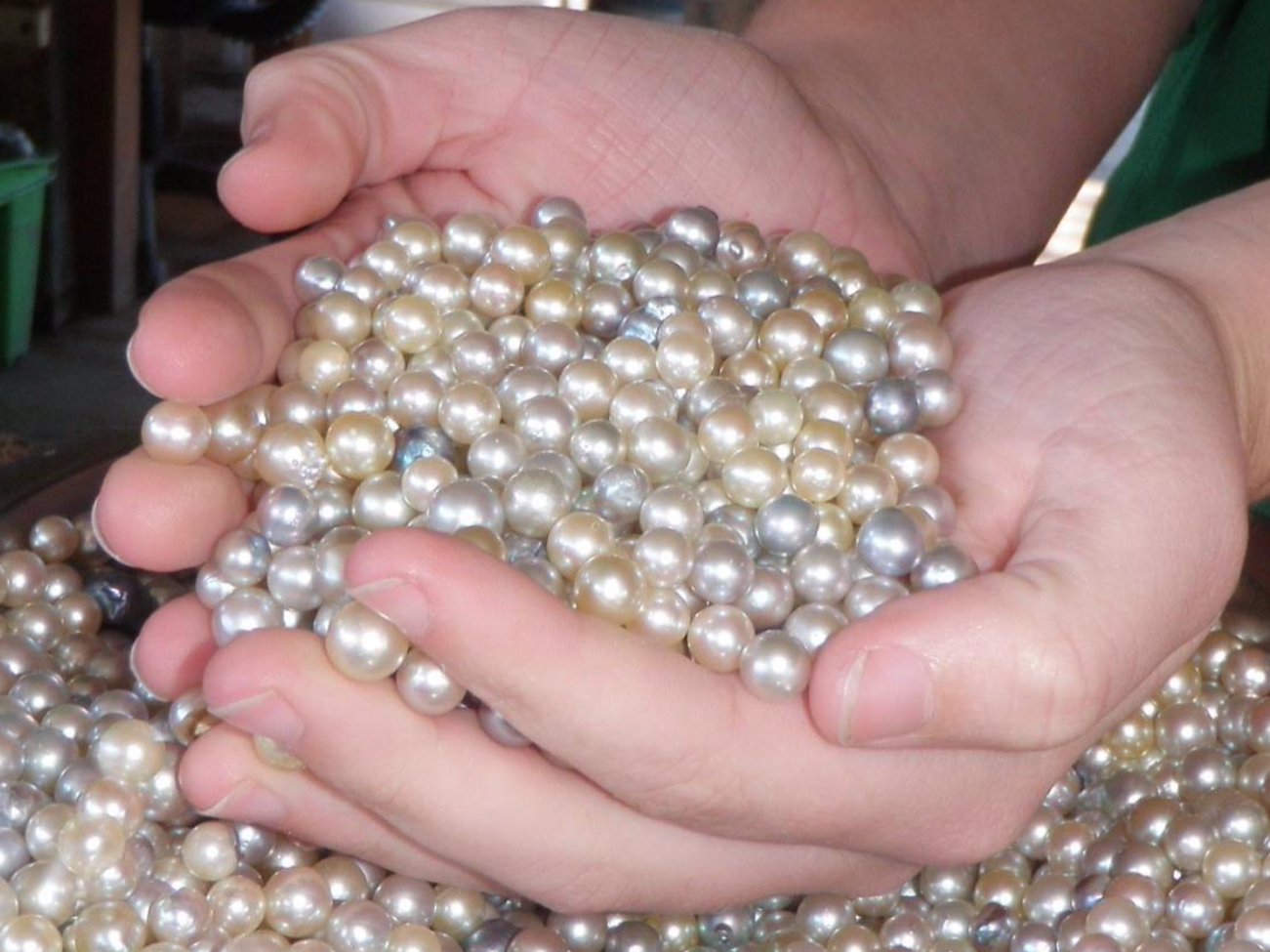

Whether they are Natural Pearls, or pearls cultured by human intervention, our caring for pearls tips, will keep your pearls in top condition and extend the life of your pearls.
On the Mohs Scale of hardness, Pearls are fragile gems in comparison to the Mohs ranking of other gems in the list of gemstones. The following pearl care tips apply to Natural Pearls, Cultured Pearls, and Freshwater Pearls.
First, determine if your pearls are Pearl imitations as these types of pearls have different care requirements. If you are not sure if your Pearls are Genuine Pearls or Pearl Imitations Click HERE

Some of the pearl care tips on this page are from the New Zealand Edition of 'How to Make Money Out of Antiques' by Judith Miller. You can purchase a copy of this book in our library...
- Here's a most unusual caring for pearls tip - Clean marine pearls by placing them in a jar containing Potato Flour and gently, shake the jar for a couple of minutes, leave for a day, shake again, leave for another day, give them a final shake, remove them from the jar and brush off the flour with a soft cloth. As an alternative, swirl the pearls around the potato flour with your fingers instead.
- When caring for pearls, they must be stored in a separate compartment from other jewelry to avoid scratches from gold, diamond, sapphire and other hard substances.
- A strand of pearls should be stored in a way that keeps each pearl out of contact with other pearls. It is best to store strands of pearls flat rather than hanging because they are strung on fine silk and the force of gravity could eventually weaken the silk. The nacreous coating on a marine pearl can also become chipped or pitted if it rubs against a hard surface, or even if two pearls rub against each other.
- If you have a number of strands of pearl necklaces, they should be stored in separate jewelry trays, or with a padded liner between them if you stack the strands.
- When caring for pearls, store in an atmosphere with some moisture.
- When it comes to storing pearl jewelry, don't be tempted to store pearls in plastic containers or plastic bags, as pearls are organic gems and need oxygen to retain their beauty. For the same reasons, it is not advisable to store pearls in a safety deposit box for long periods of time. This tip also applies to other gem materials and also paste, and rhinestone costume jewelry.
- When kept long in an environment that is too dry, keep with a glass of water.
- Wrap the pearls in linen, soft cloth or place in a soft pouch, satin-lined handcrafted jewelry box, chamois bag or wrap in tissue paper.
- Do not store small pearls in an airtight package such as a plastic bag. If the environment is too dry, the pearls may crack.
- If you do need to place your pearls in a safety deposit box or in a hot environment, leave a damp cloth nearby.
- Do not leave pearls in direct sunlight or expose them to high temperatures.
- When caring for pearls it is not necessary to buy a special pearl jewelry cleaner. Clean pearls regularly by simply wiping them with a soft, damp cloth or cotton Q-tips.
- One of the most important things to avoid is exposing pearls to heat as in a jeweler’s vitrine or showcase where the electric bulbs get very hot. The pearls will dehydrate and will crack.
- Caring for pearls requires that you Never steam-clean pearls or place them in an ultrasonic cleaner or dip them in silver polish if you have a silver pearl ring. The solution will clean the silver but will destroy the pearl.
- Pearls are sensitive to acids and other powerful chemicals. Always apply hairspray, make-up, body lotion, and perfume before putting on pearls.
- It is recommended that you put your pearls on last when getting ready to go out and make them the first thing you take off when you come home.
- Pearl nacre consists of calcium carbonate (an antacid) and is extremely sensitive to acids. Avoid harmful chemicals that your pearls may commonly be exposed to which include: vinegar (salad dressing), alcohol, ammonia, hair spray, bleach, perfume, chlorinated water and a variety of cosmetics. Apply cosmetics like your perfume, before putting on your strand of pearls.
- Good quality pearls should be re-strung once a year if worn regularly.
- Silk thread is preferred over synthetic thread because synthetic thread stretches over time.
- French wire between the last pearl on the strand and the clasp will protect the pearl and is preferable.
- Dirt and oil tend to travel down the drill hole more readily if the pearls have been strung on a synthetic cord.
- Knotting between each pearl serves two important functions - it keeps the pearls from rubbing against each other, and prevents them from flying all over the place should the strand break.
- One of the best ways to keep pearls in good condition is to wear them! The skin's natural oils help to keep them lustrous.
- Do not wear your pearls while swimming or taking a shower.
- Never use (or expose pearls) to washing detergents, bleaches, powdered cleansers, baking soda, or ammonia-based cleaners (like Windex).
For more information on Pearls? Dive in Here...
Have You Seen the Jewel-of-the-Month Yet?
Return to the top of Caring for Pearls
Return to Natural Pearls
Return to Antique Jewelry Investor
